What the Smart Money is Doing with 22 Karat Gold Price and 24K Gold?
Whether you have spent time in a British jeweller or you have browsed bullion dealers on the internet, you can hardly ignore the gossip about purity. What is even more interesting is the debate between 22 karat gold price and its 24 karat cousin especially when you are purchasing and you are already keeping one eye to the resale value you will receive in future.
Purity Unpacked: What Exactly Are You Buying
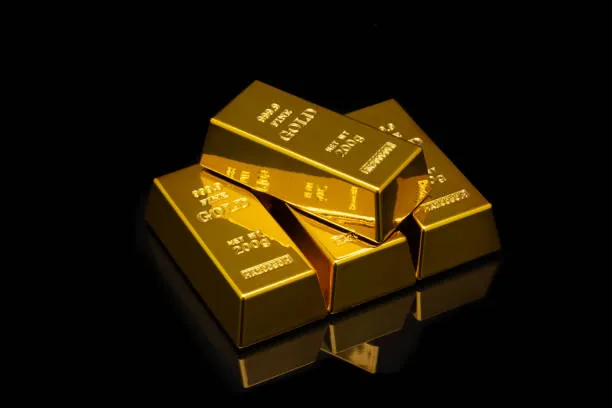
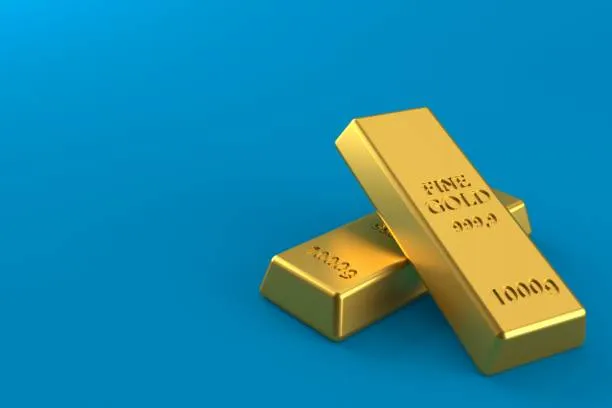
The best is 24K gold, at that level 99.99 percent pure nothing added. This is the standard of investment. Think gold bars, sovereign coins and fine bullion. When the news is talking of spot price this is what is involved.
22 karat gold adds a little more personality. The remaining is made up to 91.6 purity weight adding either copper, silver or a trace of other metals. Here is the core of jewellery; that smack of alloy contributes toward not only more durability but also a brighter hue. Among South Asian or Middle East families, it may commonly be used as wedding sets or family heirlooms.
Shop windows may sing sweetly about pure gold, then, it is worth reading the fine print. Not everything that glitters is of 99.99 percent.
Price Point The Meeting Point of 22K and 24K?
Absolutely, you would think that 22 karat gold price would be lower per gram than 24K, exactly by the basic rule of mathematics? Theoretically speaking, yes. Live rates are quoted by dealers on both, with purity a component of a quote. If in June 2024 24K is trading at approximately 50 per gram, 22K will come in at approximately 45.80-46.50 per gram. It is approximately the price of pure gold to the 92% due to its alloyed content.
Customers of jewellery see the difference. A 20g, 22K wedding bangle will come in cheaper than one in 24K—unless a designer diva or a huge diamond might intervene!
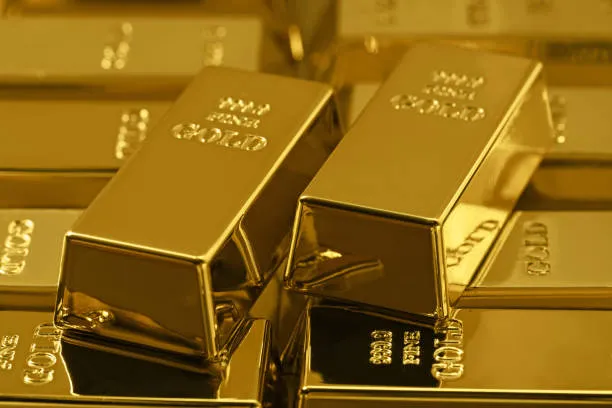
Instead, bar and coin buyers tend to run to 24K. And this is because the purer the gold the minor the argument or deduction on the resale. Purity eliminates doubts.
Resale: The Place Where Profit and Pitfalls Await
Well, selling. Suppose that you have some 22K necklace or a coin to cash. You enter a dealer shop or even a pawnshop. The first thing they do is checking purity—usually with acid or XRF guns. You will be paid the 91.6 percent purity in your 22K product less, sometimes, a smidgeon melt fee particularly on jewellery.
24K products: Especially certified bars or coins are a dream of a dealer. Simple to measure, weighed, universal. You would be normally quoted at or a bit under spot, and that would be the dealer margin. Given that the demand will always be high on the side of the investors and the jewellers, the process involved to buy back 24K can be faster and the price may be better.
It is harder in the case of 22K. To cover against doubt dealers occasionally take a bit more off, where you have no paperwork, and the design is not really collectible. Requested gold jewellery is evaluated on a net weight basis and the alloys are not paid. That wedding sparkle on your mum’s old bangles will not fetch a high price unless it is antique or a designer item.
Sellability: Coins and Bars, Chains and Bangles
The type of form your gold is in is one of the factors that you overlook. Any Royal Mint 24K bar or a Britannia coin is of wide appeal to UK buyers of bullion. It is not always the same in 22K jewellery—except you deal in a prestigious vintage item or a recognized name.
The 24K coins and bars are easily accepted among the dealers since they are aware that they will easily sell off again, mostly by the reputable mints. The marking is trusted by buyers and international buyers accept them without much trouble.
Margins in Practice: Reality Numbers Crunching
We will crunch a situation. Assume that you purchase 10 grams of 22K jewellery at £465 (rounded off to £46.50/gram). Then later the prices of gold increase and you desire to sell it. The dealer analyses the purity and gives an offer to buy spot minus 2% and a melt fee, say £44.75/gram. You get paid £447.50 for 10g.
At this point compare it to a 10g 24K bar. You are paying £500 (£50 per gram disregarding premiums to simplify the computation). On the sale you will be quoted about spot by a good dealer perhaps £49.25/gram, making altogether £492.50.
Your working margin is very tight on 24K. Less would have been lost out the backdoor. At 22K there is a price increase not only due to purity loss but due to the markdown on final form and potential additional charges.
Sentiment and Collector Value The Wild Cards
Naturally, figures do not make everything. About 22K items have a collector or sentimental value. An official 22K gold sovereign is well known, is easily trusted and there is high resale value in the UK on recognition and CGT Tax free on sale (in the UK). Sometimes commodities such as antique jewellery, designer bangles or historically interesting coins are valued a mile ahead of raw melt.
But normal chains, bangles or high-street rings? Miracles? Not to expect. You are not getting paid by the story. You get paid by the gram.
What Shall the Resale-Conscious Investor Do? Verdict:
Put it all together, and the balance is towards the 24K particularly when it comes to transparent, easy and profitable resale. Paying more now can actually save you money, time and trouble in the long term. Dealers, investors and even family members who bequeath your gold will appreciate it.
22K is not that bad a purchase, particularly when worn, given as a present, or as an item of culture. However, should your end-game be to get every last penny worth of your gold using a resale, the more pure, the better. Less alloy, narrower margins and an easier way out once you want to turn gold into green again.