The question, “what degree does gold melt?” is a frequently recurring line of discussion, which begins on a lightweight level but drifts into deeper waters, especially when the discussion is between individuals who purchase gold in the UK and seek to know what they are actually purchasing rather than what they see on price charts and shiny surfaces. Gold feels eternal. It looks calm. It sits there quietly. But, as with all the physical, it is subject to the laws of heat and physics, and the awareness of what those boundaries are can assist buyers to be more rational in their thoughts about purity, authenticity, and long-term value.
Gold melts at a certain temperature, and it is not a trivial fact. It is directly related to the refining of gold, the crafting of bars, the behavior of jewelry, and the testing of authenticity. This knowledge brings about a confidence that most buyers would never know they lacked.
The Precise Thermal Fusion of Pure Gold
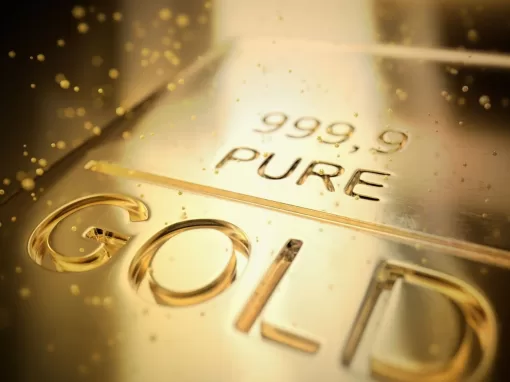
Pure gold, or 24-carat or 999.9 fine gold, is melted at about 1,064 degrees Celsius, or about 1,947 degrees Fahrenheit. It is an exact temperature, repeatiable and familiar throughout the refining and manufacturing sectors.
One of the reasons why gold has been trusted over centuries is the fact that it is consistent. It acts in a predictable way when it is hot. There are no surprises. Gold will not explode into a liquid when it gets to that point; it is a gradual transition that is not dramatic or reactionary.
Why Melting Point Gives You the Word on Purity
Adding other metals to the mix has an effect on the melting point of gold. The purity of gold is lower, so alloys lower the melting temperature of pure gold since they interfere with the structure of pure gold.
To illustrate, 18-carat gold, which is composed of 75 percent gold and 25 percent other metals, will melt at a lower range compared to pure gold. This distinction is important in refining, testing, and recycling.
Refiners use melting behavior as a measure of composition. The ease with which buyers can know this is because they now understand the importance of purity claims.
The Process of Refining Gold into Bars
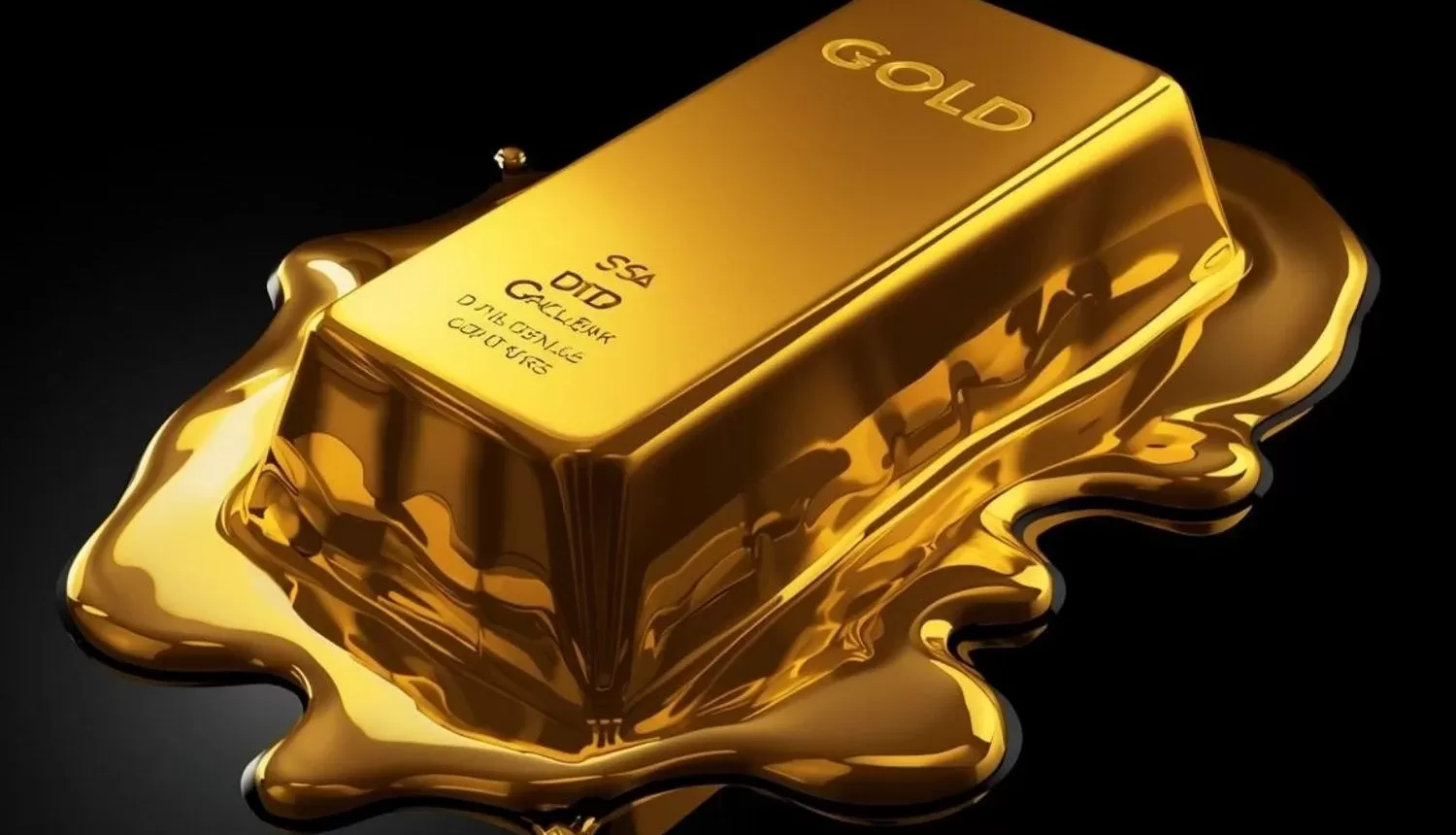
Gold bars are initially in a liquid form. Raw gold is heated beyond its melting point, and impurities are removed, and the melted gold is poured into molds.
Controlled temperatures are needed in this process. Too cool, and the gold will not run. Too hot, and it is unprofitable energy wasted.
Awareness of the fact that the gold bars begin their existence as liquids reminds buyers that the bars are not hewn and molded. They are created by heat, gravitational action, and accuracy.
Authenticity Testing and Melting Point
The melting point of gold is used in authenticity testing, particularly in the field of proficiency. Although normal consumers hardly melt their gold, refineries and assayers rely on heat-based tests, as well as chemical and density tests.
Imitated gold alloys tend to act out at ultraviolet temperatures. They are prematurely melted, unpredictable in their reaction, or layered off.
It is one of the reasons why gold is hard to counterfeit convincingly on a scale; it is a predictable behavior in the heat.
Gold Jewellery vs. Investment Gold
Alloys are present in jewelry gold, and therefore it melts differently. This influences the production decisions and repacking.
It is less difficult to work with jewelry in terms of lower melting points, and this strain on production lets jewelry work with more complex designs. The former advantage is at the expense of purity.
Gold investment gives more emphasis on purity than workability. That focus is exhibited by its greater melting point.
Why Does the Melting Point Matter in the Purchase of Gold in the UK
Among the UK buyers, the knowledge of melting point supports the distinction between investment-grade gold and ornamental gold. It explains the difference in the behavior of bullion and jewelry and the difference in pricing structures.
It also gives the reason why refiners and dealers are requiring purity standards. Melting gold in its place gives faith.
The silent money of the gold market is trust.
Gold Does Not Melt in Ordinary Circumstances
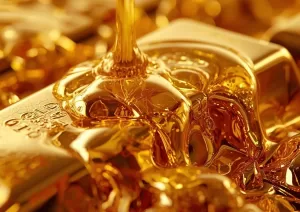
The next fear shared by new buyers is whether gold would fuse in a fire or accident in the house. The solution provides comfort.
The fires occurring in most houses are way below the melting point of gold. Gold may discolor. It may warp slightly. It will not melt and fade away.
This makes gold a better long-term store of value. It withstands situations that lay waste to most other properties.
Heat Resistance and Industrial Uses
Having the capacity to resist heat without breakdown, gold is useful in electronics and industry. It is stress resistant to electrical breakdowns.
This industrial base helps gold to have a wider value base. It is not owned simply because of beauty or investment.
Understanding gold can be used under pressure is useful to buyers so that they realize the value of gold is not sentimental.
Comparison of Gold Against Other Metals
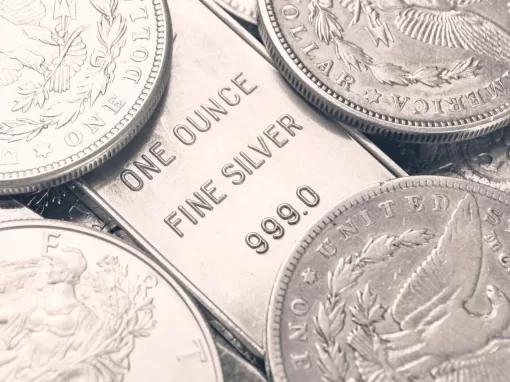
Silver has a low melting point compared to gold. Platinum melts at a much higher temperature. Metals possess their thermal characters.
Platinum is more difficult to work with due to its increased melting point. The stability and workability of gold render it flexible.
Such disparities affect the cost, manufacture, and demand.
Gold and Melting Recycling and Efficacy
Gold can even be melted and reused many times without any loss of quality. This feature assists the market of recycling and stabilizes supply.
The scrap gold, old jewelry, and industrial waste are returned to the melting pot, literally.
This is a recycling process that allows long-term availability of gold as well as conservation of value.
Why Buyers Do not Have to Melt Gold
There is a question of whether the self-melting of gold by some buyers unlocks value. In reality, the process of melting gold without professional devices can be damaging, contaminated, and lost.
Certification and recognizability, rather than DIY experiments, are maintained as values.
An Experiential Approach to Thinking of Gold and Heat
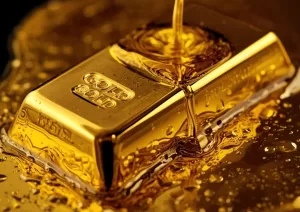
Gold melts at a known point. It behaves consistently. It lives in the environment that destroys other materials.
The existence of such predictability justifies its value as a safe asset.
To every gold purchaser in the UK, some basic knowledge, such as the melting point, will give an extra dimension to possession, making a glittering object a familiar substance with centuries of established behavior.