The query of how many grams of gold are in a ring is not uncommon, and the demand to relate the price of jewelry to the real value of gold is quite reasonable and long overdue. Rings are personal, seem small, and have an emotional connection, but the amount of gold can vary significantly much more than most customers anticipate, with a difference of several grams existing between two rings that appear almost identical on the surface.
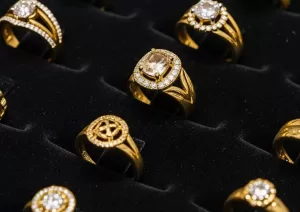
Knowing the weight of gold in rings makes the buyers have realistic expectations. It describes why a ring is much more expensive than one, why the resale prices may fail, and why jewelry is far more erratic than gold bars or coins. Rings lie at the crossroad of the value of metals and design as well as wearability; this is what makes rings interesting and sometimes bewildering.
The Reason Ring Weight Is Never a Set Number
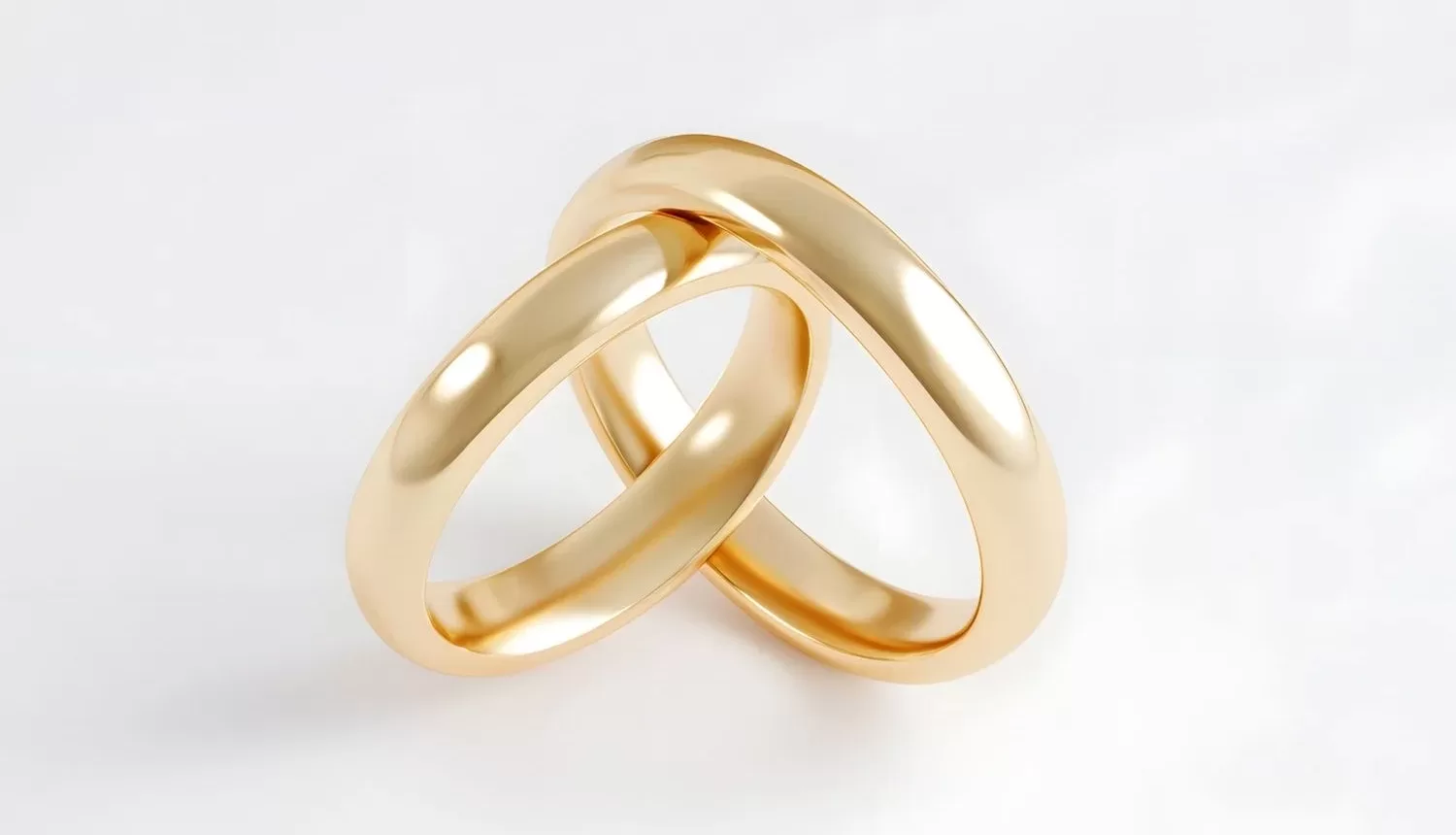
A ring has no normative weight of gold. Contrary to bullion products, the shapes of rings are determined by the size, width, thickness, complexity of the design, and required durability.
A comfortable band can be so slim and lightweight (a few grams). A broad and heavy signet might weigh several times as much. Both can be real gold. They both can be quite valid.
Weight is not customary but systematic.
Gold Rings and Silver Rings: Typical Weights
The weight of most adult gold rings lies between 2 grams and 8 grams, but heavier models can comfortably go above it.
A fine band on a small finger can support 23 grams. An average wedding band would weigh between 4 and 6 grams. Rings that have large shoulders can be 10 grams in weight or more.
These figures represent the total weight of rings as opposed to pure gold content.
Carat Purity Alters Gold Content
Pure gold is hardly ever used in making gold rings. The majority of them are strengthened with alloy.
9-carat gold contains 37.5% gold
14-carat gold contains 58.5% gold
18-carat gold contains 75% gold
22-carat gold contains 91.6% gold
In case a ring weighs 6 grams and is 18 carat, then the weight of the ring is 4.5 grams of pure gold. The remaining ones are of alloy metals.
This difference is very important during value estimation.
Ring Size Purchasing Matters More Than You Think
Bigger ring sizes are more demanding in terms of metal. Such growth is slow but evident.
Even a single increment size difference can contribute a gram or more, particularly with larger bands. Two designs of the same design, that is, of different finger sizes, will not weigh similarly.
This fact usually surprises customers comparing rings on the exhibits.
Thickness and Width Build More Than Ornament
A simple broad band may be heavier than a narrow band of stones. Surface detail is less than metal volume.
Minimal designs may be heavy in case they are thick. Ornate designs can be made light in case of sparse use of metal.
Weight is not well indicated by the visual impression.
There are Stones and settings that complicated the equation.
Gem and diamond rings also contain non-gold. The weight of the ring is composed of stones, prongs, and settings.
Stones should not be taken into consideration when estimating the content of gold. A ring of 7 grams of stone can possibly have much less gold than a plain ring of the same weight.
This is the point of misunderstandings.
Hallmarks Provide Insights and Not Comprehensive
UK hallmarks ensure purity, and not weight. A stamp such as 750 indicates that the ring is 18-carat gold. It does not describe the mass of gold that is available.
Combining hallmark information with actual weighing is necessary to make the buyers know the content of gold.
Hallmarks are not entirely true but only partly.
Why Jewellery Prices No Longer Seem linked to Water Weight Gold
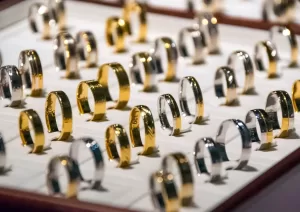
Jewelry prices are based on design, labor, retail, branding, and VAT. One of the ingredients is the gold content.
A ring can have several grams of gold but still be many times more than the value of the metal. This inconsistency bewilders the buyer that jewelry should act as bullion.
This gap is what gets one to know so as to avoid frustration in the future.
Scrap Gold Value and Rings
A gold ring is evaluated at the time it is sold as scrap, and the price is determined through its weight and purity. Design disappears. Emotion disappears.
An 18-carat ring that is 6 grams will be considered as 4.5 grams of gold at the present market price less processing margins.
This fact is quite shocking, yet it is something stable and regular.
The reasons gold rings are not good investments in gold.
Rings are meant to be worn. They scratch. They bend. They age.
The gold investment is supposed to be efficient in the preservation of value. Jewelry compromises efficiency for beauty and functionality.
The rings may have a value, but they will not be optimized to track the prices of gold.
Gold Rings and Emotional Value
Rings do have emotional value that cannot be valued even though there is the resale factor. These objects contain engagements, weddings, milestones, and inheritances.
Such value is never presented on a scale, and it is valued so much by owners.
Gold rings are worn as stories.
Comparison of Rings with Gold Coins and Bars
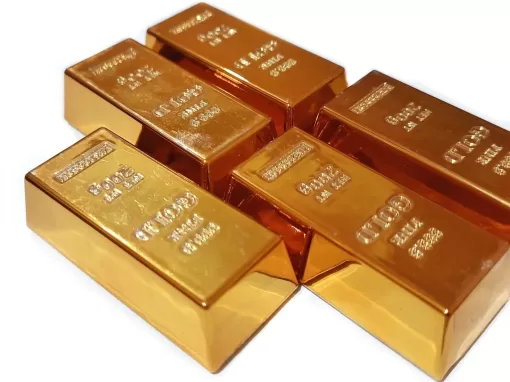
Weight and purity are clearly shown on coins and bars. Those details are concealed behind design by rings.
Close to metal value trade are coins and bars. At the time of purchase, rings are selling way above their value, and at the time of resale, they are selling way below their original value.
Knowing this distinction enables the purchasers to buy goods that are within their objectives.
Estimating Gold Content at Home by Buyers
A digital scale with a minimum precision of 0.01 grams is useful. Weigh the ring. Identify the carat. Product weight/percent purity.
This estimation is a reasonable one. It does not supersede professional testing, but it will bring clarity.
Numbers calm emotions.
A Realistic Approach to Gold Rings
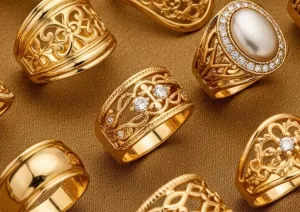
A gold ring is a gold-shaped ring that is not made to be stored. Its weight is based on design preferences, comfort, and less on investment efficiency.
Being aware of the weight of the gold in a ring enables the buyers to value the ring in the form it is and not to expect it to act like a gold bar or even a coin.
That knowledge transforms bewilderment into assurance and doubt into knowledgeable decision-making.